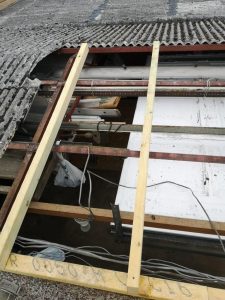

When winter comes, your roof is the first thing that protects your home from cold winds, frost, rain, and snow. During the warmer months, many types of roof damage go unnoticed. They only become clear when the weather gets worse and the temperature drops. Finding problems early can help you avoid expensive repairs, losing heat, and having to deal with unexpected emergencies in the winter.
Before the weather starts to get colder, here are the most common signs that your roof may be damaged.
-
Subtle Ceiling Stains or Damp Patches
Even small marks on ceilings or upper walls can mean that water has gotten in. These little stains often get worse in the winter because it rains more and the weather gets colder. Checking for and fixing damp spots early stops insulation, wood, and plaster from getting worse.
-
Slightly Raised or Misaligned Roof Tiles
You might not see loose tiles until you look closely. Strong winds, small impacts, or storms that have happened before can lift tiles just enough to make gaps. These holes let water into the roof space, which causes leaks when the weather gets worse in the winter.
-
Granule Loss on Asphalt or Felt Roofs
Material loss is a common sign of hidden damage on flat roofs. If you see loose granules in the gutters or around the edge of the roof, it could mean that the surface is eroding. This wears away the protective layers, which makes the roof more likely to be damaged by frost and heavy rain.
-
Moss, Lichen or Algae Growth
Too much moss can lift tiles, hold in moisture, and block the flow of surface water, even though it is common in many places. As temperatures change, this raises the risk of damage from freezing and thawing. Taking care of the areas that have grown and removing them will help your roof last longer.
-
Poor Ventilation or Musty Smells in the Loft
A roof space that gets good airflow should stay dry. If you smell musty smells or see more condensation in the loft, this could mean that there are leaks you can’t see or that there isn’t enough air flow. Over time, too much moisture can cause mould, wood rot, and damage to insulation.
-
Blocked or Overflowing Gutters
If leaves, moss, or other debris get stuck in the gutters, water can back up under the roofline. When the weather is cold, this water freezes and makes ice dams that raise shingles and tiles. Before winter, cleaning out the gutters takes some of the weight off of the roofs and fascia boards.
-
Internal Temperature Changes
If some rooms feel much colder than others, the roof may have holes, hidden cracks, or insulation problems. These problems tend to get worse in the winter, which makes heating your home more expensive and puts more stress on its energy efficiency.
Professional Inspection Brings Peace of Mind
Finding hidden roof problems early will keep your home safe all winter. Many homeowners trust Roofers in Teddington, Roofers in Chertsey, Roofers in Finchley, Roofers in Putney, Roofers in Lambeth, and Roofers in Hounslow to find small roof problems, fix them, and get roofs ready for the winter.
A roof that is well taken care of saves you money, lowers the risks in the winter, and keeps your home warm and safe all season long.